Environmental Compliance Framework for Caustic Soda Industry

 23 May, 2025
Introduction
The Ministry of Environment, Forest, and Climate Change (MoEFCC) has recently provided new amendments to the Environment (Protection) Rules, 1986, for stricter rules for environmental regulations on caustic soda plants. This amendment is aimed at reducing wastewater pollution, regulating harmful emissions and promoting sustainable practices while strengthening environmental safeguards.
These updated standards align with global environmental goals and ensure industries operate more responsibly and implement eco-friendly procedures. As a result, companies must act quickly to meet the new requirements and avoid possible penalties. The overall goal is to mandate regulation in the caustic soda industry and prevent environmental damage from untreated industrial waste. In addition to this, one must know that Industrial waste management is of utmost importance.
These amendments also encourage industries to adopt cleaner technologies and improve their water and waste management systems. By doing so, you help conserve natural resources and reduce the harmful impact on surrounding communities and ecosystems. This practice not only protects the environment but also supports long-term economic growth by promoting sustainable industrial development.
Caustic Soda Industry
The caustic soda industry, also known as the sodium hydroxide (NaOH) industry, is an important part of the global chemical sector. A versatile chemical, caustic soda is used in many industries, making it a key material for the world economy. It is mainly produced through the electrolysis of brine (salt dissolved in water), which also creates chlorine as a by-product.
The pulp and paper industry uses it to break down wood pulp and remove ink from recycled paper. In soap and detergent production, caustic soda is essential for converting fats and oils into cleaning products. It is also used in water treatment to neutralise acidic waste and clean gases, in cleaning products like drain cleaners and in bleach. The pharmaceutical industry uses caustic soda to help make medicines such as aspirin and cholesterol-lowering drugs.
Overall, caustic soda is widely used in industries such as agriculture, packaging, environmental protection, food processing, health, construction and automotive manufacturing. Its broad range of uses makes it a vital chemical in industrial protection worldwide.
Read more – Market Potential of Waste Engine Oil Recycling in India
Environment (Protection) Second Amendment Rules, 2025
The Environmental Protection Second Amendment Rules, 2025 are introduced to improve environmental protection, especially in industries such as caustic soda manufacturing. These new rules bring in tougher standards for industrial pollution, with a focus on reducing harmful waste and promoting sustainable operations.
One of the major changes is the enforcement of stricter effluent limits, especially for wastewater discharged into rivers, lakes or land used for irrigation. The amendment also sets new rules for fugitive emissions, such as gases or vapours released unintentionally into the air during industrial activities.
In addition to tighter pollution controls, the amendment encourages industries to adopt cleaner technologies and use water more efficiently. This requires the companies to upgrade their equipment and systems to reduce waste and improve overall environmental performance. The main goal is to reduce pollution, protect natural resources, and support long-term environmental health.
These rules are part of India’s strategy to address the concerns of environmental issues that are associated with industrial growth. For caustic soda plants, the changes will require companies to take immediate action in their business operations for the industry, they will have to invest in cleaner processes and ensure complete compliance with the revised regulations to avoid penalties and actively promote a greener future.
Highlights
The Environment (Protection) Second Amendment Rules, 2025 brings new and stricter environmental rules for the caustic soda industry. These changes are aimed at reducing pollution, managing wastewater, and making caustic soda more eco-friendly by using cleaner technologies.
The new rules will come into effect one year from the date of official publication in the Gazette. These rules are for caustic soda as well as for the fugitive emissions and other emissions produced during the process. In recent times, several green entrepreneurs have shifted to the wastewater treatment business in India.
Highlights of the Amendment:
Stricter Effluent Standards for Caustic Soda Plants
The amendment sets tighter limits on the quality of wastewater that can be released from the caustic soda plants. Industries must carefully monitor parameters such as pH levels, chloride, total dissolved solids (TDS), and oil and grease to ensure they stay under the newly defined safe limits. This will require the companies to upgrade or improve their treatment systems to make sure the water they discharge into rivers, lakes or farmland is not harmful to the environment. This change is crucial to protect water bodies from chemical contamination and also maintain the ecological balance.
Fugitive Emission Standards and Process Sources
Fugitive emissions are invisible gas leaks that escape during manufacturing, especially from equipment or pipelines. These emissions can harm the plant worker’s health and contribute to air pollution. The new rules for caustic soda plants are allowing the industries two years to meet the updated standards, especially for fugitive emissions around sensitive areas like cell houses and hydrochloric acid (HCl) towers.
After two years, the new limits will become mandatory, and industries must ensure they have a proper containment system, leak detection and ventilation in place to minimise such emissions.
Standards for Process Emission
After the fugitive emissions, the rules are next focused on the process emission gases that are released directly from stacks or chimneys during production. Caustic soda plants that produce hydrochloric acid (HCl) and hypochlorite (hypo) must follow strict emission limits. These standards are meant to reduce harmful gases from entering the atmosphere and help improve local air quality.
The caustic soda plants will need to install or upgrade air pollution control systems, such as scrubbers or filters, to meet these new requirements. The amendment also requires continuous monitoring and reporting of the data on emissions to ensure compliance and report to the Ministry of Environment, Forest and Climate Change (MoEF&CC).
Wastewater Generation Standards
One of the major changes introduced by the amendment is the limit on the amount of wastewater a plant can produce. This amendment only allows 1 cubic meter (m³) per ton of wastewater from the caustic soda manufacturing plant. This limit does not include water used in cooling towers, as it is considered separate.
The goal is to reduce excessive use of water and also prevent water pollution by encouraging companies to recycle and reuse water wherever possible. Plants will be required to invest in advanced water recycling systems to meet these targets and operate their business more sustainably.
New-Load Based Standards
The new environment (Protection) second amendment rules have also introduced new load-based standards for the caustic soda industry, for elements such as chloride, total suspended solids, oil and grease and residual free chlorine.
The new-load base standard ensures that the wastewater is being efficiently treated, as the wastewater will be discharged into the water bodies, which can contaminate the groundwater used for drinking and irrigation purposes.
Read more – Rise of Environmental Auditing Services
Timeline Given for Compliance
The amendment provides a timeline of 2 years; therefore, the older caustic soda plants must upgrade their equipment and processes to meet the updated environmental standards within the given timeline. The new rules must be completely followed by the industries one year after the amendment is published.
Why This Amendment is Important?
The Environment (Protection) Second Amendment rules, 2025, are important because they bring stronger environmental safeguards by setting stricter rules for industrial operations, especially in caustic soda production. The new standards focus on reducing water usage and air pollution by limiting effluent discharges, controlling fugitive emissions and reducing wastewater generation. These changes encourage industries to use cleaner technologies and manage resources more efficiently, helping to protect the environment in the long run.
The amendment also reflects India’s clear commitment to building a more sustainable and responsible industrial sector. By setting higher standards, the government is not only protecting natural resources but also pushing industries to upgrade and modernise cleaner processes. This shift is important for improving public health, preserving ecosystems and ensuring that future development happens in an eco-friendlier way.
This amendment is especially important for India, where rapid industrial growth has often come at the cost of environmental degradation. With increasing pressure on water bodies, air quality, and natural ecosystems, these updated rules are a timely step toward balancing development with environmental responsibility. By enforcing stricter pollution controls and promoting sustainable practices, India is setting an example for how the emerging economy can grow while still protecting the environment. It supports India’s global climate commitments and strengthens its position as a nation working towards a cleaner, greener future.
Why Environmental Compliance by Industries is Important?
Following environmental rules isn’t just about avoiding penalties, it’s a smart business move that brings long-term benefits. When a company follows environmental regulations, it builds trust, improves its reputation, and shows that it cares about the planet and its people. This helps the business grow sustainably, attract loyal customers and create a better working environment for employees. It also shows that the company is thinking about the future and not just about the profits. The key reasons why Environmental Compliance by Industries is Important are:
- Better Public Reputation
A strong environmental compliance record enhances an industry’s image, building trust with customers, investors, and the community. It shows a commitment to sustainability by the industry, which can differentiate a company in a competitive market.
When a company have a sense of responsibility towards the environment, it sends a message to customers and, partners and the public. Being known as a responsible and eco-friendly brand can lead to more customer trust, brand loyalty and even positive media attention.
- Financial Benefits and Incentives
Various governments, including India, offer tax benefits or incentives to businesses to follow eco-friendly practices. These incentives include tax exemptions, subsidies, grants, financial funding for technological innovations and a 50% capital subsidy for companies looking to set up effluent treatment plants.
Companies using renewable energy or investing in energy-saving equipment can also access tax reductions or government support. These savings can add up over time and improve overall profitability and long-term financial stability.
- Excellent Efficient Operations
Compliance by industries also promotes operational efficiency by encouraging technological improvements, machinery upgrades, and waste reduction. As a result, operations become more efficient and environmentally friendly. For caustic soda plants, better waste management, wastewater treatment, energy use, and resource planning can help reduce costs and boost productivity, thereby improving production operations in the industry.
Benefits for the Environment
Implementing stricter environmental regulations brings several benefits not just for the industries but also for the environment. These rules ensure cleaner operations, better waste management and efficient use of the resources. The amendment also helps create a balance between industrial growth and environmental protection. The new standard motivates industries to adopt greener practices that support long-term sustainability while opening a new manufacturing business. The key benefits of the Environment (Protection) Second Amendment Rules, 2025 are:
- Reduction in Pollution
Proper treatment and handling of liquid waste lead to less pollution in water bodies such as rivers and lakes. This helps protect aquatic life and creates a healthier environment for people living nearby. Reusing treated wastewater also reduces the need for freshwater, helping conserve natural resources.
- Support for Sustainability
By reducing harmful emissions and improving waste management, you will be supporting sustainability. The new amendment rules support long-term environmental health and encourage industries to shift toward cleaner, more responsible operations that help protect the ecosystems.
- Economic Opportunities
Strict regulations increase the demand for advanced waste technologies. This opens doors for new businesses and jobs in the environmental technology and services sector, promoting green innovation and contributing to a more sustainable economy.
- Improved Green Image
Companies are required to follow the new rules to build a positive environmental reputation. This can attract eco-conscious customers and investors, giving them a competitive edge in the market and helping them grow their business responsibly.
Impact on the Caustic Soda Industry
The caustic soda industries will have to implement these changes, which will require investing in new machines, infrastructure and technology. The industries will also have to comply with the new emission standards and make sure that the wastewater is being treated before getting discharged, air pollution equipment is being installed and also actively promote waste recycling methods.
The up-front costs for these changes in the industry may be hefty, but there will be long-term benefits for both the industry and the environment. These changes in the caustic soda industry will bring greater responsibility for the environment.
In a Nutshell
The Environment (Protection) Second Amendment Rules, 2025, mark a significant step toward strict environmental oversight in the caustic soda industry. By introducing tighter standards for wastewater discharge, emissions and water usage, the government aims to reduce pollution, protect ecosystems and promote sustainable industrial practices. These changes not only align with global environmental goals but also encourage industries to modernise their operations and adopt cleaner technologies.
For caustic soda manufacturers, timely compliance with these regulations is essential to avoid penalties and support long-term environmental responsibility. Adapting to these changes may seem challenging, but with the right guidance, businesses can transition smoothly.
Enterclimate offers expert support in environmental compliance and management for caustic soda industries. From documentation to implementation, our team ensures your operations meet all legal requirements efficiently and effectively. Allow us to help you stay compliant and move forward toward a more sustainable future.
Why choose Enterclimate?
Enterclimate is a trusted organisation of repute that provides a wide range of services to help businesses tackle all environmental challenges. We also work closely with the government authorities to offer quick and customised solutions for all the environmental compliances required for your business.
With more than a decade of experience in environmental compliance and advisory, we have a team of environmental experts, legal advisors and business consultants that can cater to your business needs. Enterclimate is capable of supporting your business every step of the way to ensure the process is smooth while staying compliant with the latest regulations. We at Enterclimate are here for you.
Contact us today to speak with our environmental and business experts or visit our website to learn more: visit https://enterclimate.com
Frequently Asked Questions
The compliance to Environment (Protection) Second Amendment Rules, 2025 is important because it is an important step towards defining India’s environmental governance. It ensures companies and industries meet strict policies for pollution.
The benefits of environmental standards include reduced environmental pollution, improvement in public health and repairs the damages caused by human activity. It reduces global warming by setting emission standards, promotes energy efficiency and supports the use of renewable resources.
The key points in the new environmental regulations for the caustic soda plants are
– The effluent pH must be maintained between 6.5 to 8.5
– The Chloride levels must be maintained at 250 mg/l
– There is a two-year grace period for older caustic soda plants
– The Total Dissolved Solids (TDS) is restricted to 2100 mg/l, and the Sodium Absorption Ratio (SAR) has to be less than or equal to 26.
– The oil and grease from the caustic soda plants must be (5 mg/l), and the Total Suspended Solids (TSS) must be under 100 mg/l.
– The water used must also be monitored, and a maximum of 5 m³ of water must be used per ton of caustic soda produced.
The changes in the production process that can be implemented for the new environmental compliance framework for the caustic soda industry under Environment (Protection) Second Amendment Rules, 2025 are:
– Membrane Cell Technology
– Solid Waste Management
– Regulatory Compliance
The new regulation for the caustic soda plants is encouraging the membrane cell technology compared to the mercury cell technology as the membrane cell technology is considered a more environmentally friendly and efficient operational system as it reduces energy consumption and creates higher purity caustic soda.
The regulatory authority for Environmental protection rules in India is The Central Pollution Control Board (CPCB), and the CPCB operates under the guidance of the Ministry of Environment, Forest, and Climate Change (MoEFCC).
The timeline given by the Ministry of Environment, Forest, and Climate Change (MoEFCC) for the caustic soda industry for older plants under the Environment (Protection) Second Amendment Rules, 2025, is two years.
The impact of the Environment (Protection) Second Amendment Rules, 2025, for the caustic soda industry can push the industries to adopt cleaner technology and production processes, reduce industrial pollution, improve the overall environment, and implement processes that protect the water bodies and reduce air pollution.
Categories
Latest Post











Environmental justice issues in India
According to the Environment Protection Agency, environmental justice is the "fair treatment and meaningful involvement of all people regardless of colour,...Read More
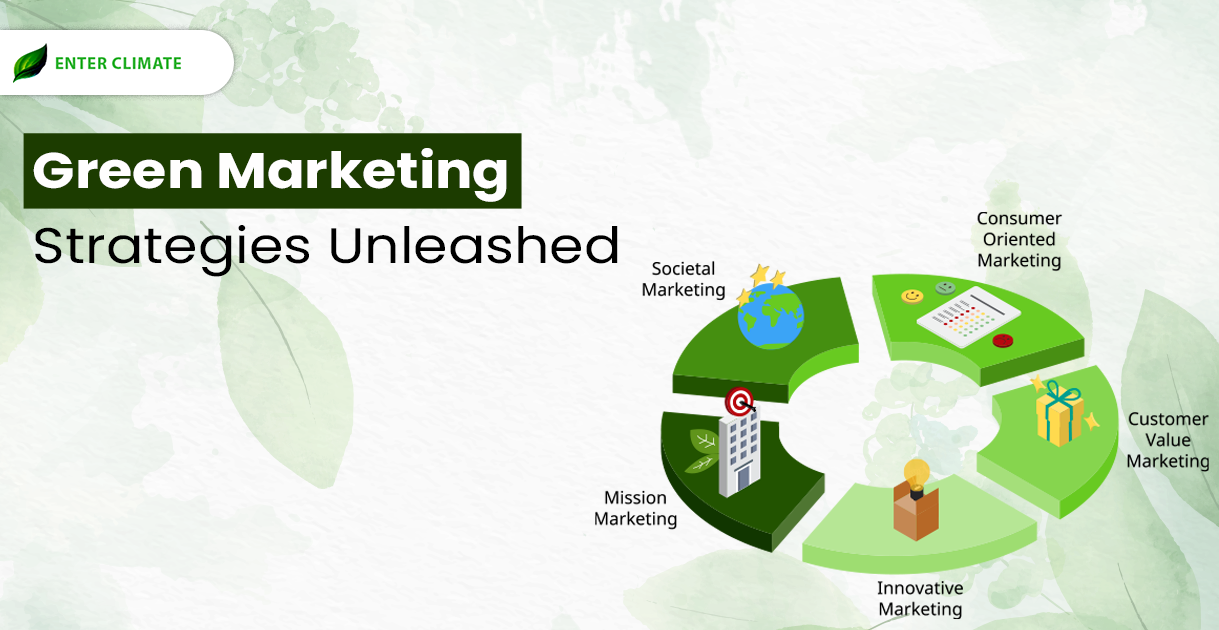
Green Marketing Strategies Unleashed
We are living in an environmentally conscious world where people are concerned about the effects and repercussions of their decisions. People are well awar...Read More