How to Register for EPR for Waste Management in India?

 18 Apr, 2025
Before delving into the process required to register EPR for waste management in India, entities must understand the policy approach that makes the entire waste management system accountable for the entire lifecycle of their products. To gain a clear understanding, we must adhere to the safety requirements outlined in the EPR regulations. EPR further enforces accountability and contributes a circular way to ensure a cleaner globe.
Understanding EPR for Waste Management in India
Extended Producer Responsibility (i.e., EPR) is a landmark policy framework aimed at improving waste management in India. It places responsibility for the collection, recycling, and disposal of waste in India. The waste management rules in India further encourage producers, importers, and brand owners to design products that generate less waste and are less harmful to the natural environment.
EPR for waste management in India ensures the company’s accountability for managing waste and its impact on the environment. It further reduces the pollution level and promotes recycling and sustainable practices in the industrial landscape. EPR for waste management in India simply means the responsibility of a producer for the environmentally sound management of the product until the end of its life.
Objectives of Obtaining EPR for Waste Management
The grant of the EPR certificate has yielded significant results, leading to a proven game changer for India’s waste management system. Let’s take a look at the key objectives/ benefits of obtaining an Extended Producer Responsibility certificate for waste management in India:
1. Environmental Compliance
Businesses intending to register for EPR for waste management in India need to improve compliance with applicable environmental regulations and secure themselves from incurring fines that would otherwise occur.
2. Better Management of Waste
The EPR guidelines issued by the CPCB offer a better understanding of the collection, transportation, storage, treatment, recycling, disposal, and management of all types of waste, ensuring no harm to the general public.
3. Reduce Waste Management Costs
EPR guidelines mandate businesses to put comprehensive measures in place for effective waste handling, leading to reduced overall expenditure to a great extent.
4. Creates Brand Image
The commitment to environmental sustainability through EPR registration creates a positive brand image and strong customer relations by establishing the company’s credibility among its customers.
5. Promotes Sustainability
Obtaining EPR for waste management in India further promotes sustainability by encouraging the use of recyclable and sustainable materials.
6. Reducing Pollution
Obtaining an EPR certificate for waste management reduces the environmental impact of plastic by encouraging recycling practices widely adopted in India.
Types of EPR Certification
The various types of EPR certification that give surety to manufacturers taking responsibility for recycling or disposing of the waste produced by them are as discussed below:
1. EPR for Tyre Waste
EPR for waste tyre management is an obligation placed on tyre producers/ manufacturers intending to secure environmentally sound management of waste tyres in India. ensuring no harm to the environment.
2. EPR for Battery Waste
EPR for battery waste management is issued to those who are involved in the industry of battery manufacturing, sale, or recycling, leading to no harm to the environment.
3. EPR for e-Waste
EPR for e-waste management is related to people involved in the production of electrical and electronic equipment (EEE). It ensures the timely disposal and recycling of e-waste without any damage to the surroundings.
4. EPR for Plastic Waste
EPR for plastic waste management addresses the increasing consumption of plastic waste and post-consumer waste generated during the manufacture or other procedures.
5. EPR for Used Oil
EPR for used oil management helps entities selling and manufacturing products that contain oil (including motor oil) confirm that used oil is collected and disposed of in an environmentally safe manner.
6. EPR for Non-Ferrous Metals
EPR for non-ferrous metal management is granted to producers dealing with non-ferrous metals such as aluminium, copper, and lead.
7. EPR for End-of-Life Vehicles
EPR for end-of-life vehicles ensures the wrecking, destroying, and removing of vehicles considered imperative for public use.
8. EPR for Construction and Demolition Waste
EPR for construction and demolition waste management takes charge of the waste produced from their activities. It includes proper disposal, recycling, and reducing construction waste, such as concrete, bricks, and other materials.
Who Requires EPR for Waste Management in India?
According to the waste management rules in India, EPR for waste management is mandatory for those entities that produce or import electronic goods, plastic packaging, lead-acid, or lithium-ion batteries in India. However, the brand owners that market their products under their brand, plastic waste processors (PWPs) who handle both recycling and converting waste materials into energy, are required to register for EPR for waste management in India.
What Documents are Needed for EPR in India?
The list of documents needed to register for EPR for waste management in India is as discussed below:
- Company PAN, GST, and CIN Certifications
- Authorized signatory’s Aadhar, PAN, and other identification details
- Import-Export Code (IEC) for importers
- Consent certificate from State Pollution Control Boards (if applicable)
- Geo-tagged photographs of operational areas
- Comprehensive Extended Producer Responsibility (i.e., EPR) plan
- Copy of agreement with recyclers, dismantlers, and disposal facilities
- Authorization of recyclers and dismantlers
How to Apply for EPR Registration in India?
The Extended Producer Responsibility (EPR) registration is crucial for businesses dealing with products contributing to plastic or electronic waste in India. The following is the complete process required to apply for ERP registration in India, as discussed below:
Step 1: Eligibility Check
Before applying for the EPR registration, the businesses must initially determine the eligibility criteria required to apply for EPR registration in India. However, all producers, importers, and brand owners must ensure business compliance with all relevant environmental obligations and waste management practices.
Step 2: Complete the Web-Based Application Form
The businesses are further required to set up a new account and complete the web-based application form, with details concerning the type and quantity of plastic used, waste generated, and your garbage handling system.
Step 3: Upload Necessary Documents
In the next step, all the necessary documents, including the GST certificate, PAN Card, pictures of your product packaging, and any additional documents as specified by the CPCB, must be uploaded on the CPCB website.
Step 4: Submit Waste Management Plan
Furthermore, the applicants are required to prepare and submit a detailed waste management plan for dealing with plastic trash, outlining the entire process required for gathering, recycling, and disposing of the waste.
Step 5: Pay Registration Fees
Upon submission of the waste management plan, the next step requires the applicant to make payment of the required registration fee through the official portal, varying based on your business’s size and category.
Step 6: Submit Application
After completing all the necessary steps, the application for EPR registration for waste management in India must be submitted through the official web portal, confirming with an email of an application under review.
Format of the EPR Authorization Application
The EPR authorization application form follows a specified format prescribed by the Central Pollution Control Board. Below is an overview of the key sections included in the application form:
1. Part A
Part A must comprise the full name and address, including respective phone numbers, e-mail addresses, authorized persons’ full addresses, and details of all electrical and electronic equipment produced.
2. Part B
Part B includes the approximate generation of e-waste along with an estimated collection target in the form of a table, as specified on the CPCB website.
3. Part C
Part C includes a detailed overview scheme to achieve the obligations of EPR, plus targets, and mentions all used as well as wasted electronic equipment. The format of the scheme must further include the general scheme of collecting e-waste, a flow chart, segregation of e-waste, and information on the website.
4. Part D
Part D includes compliance related to the reduction of hazardous substances. It further includes a declaration & stating all technical documents.
5. Part E
Lastly, part E includes essential documents such as the EPR scheme with relevant details, agreement copies with dealers, a photocopy of the DGFT license, and a relevant POHS self-declaration.
Renewal Policy of EPR Certificate
The renewal policy of the EPR certificate, which is generally valid for 5 years, requires renewal at least 3 months before the expiry of the validity period of the EPR registration. The application further ensures the submission of on-time documents and statistics, and processing fees to the CPCB or SPCB. The renewal of the EPR certificate is typically granted after a compliance report is verified and no violations of the authorization terms are found.
Fee to Register for EPR for Waste Management
The fee to register for EPR for waste management varies depending on the annual plastic consumption or processing capacity. Have a look at the following fee structure, as discussed below:
| Category | Capacity (TPA) | Fees Applicable (in Rs.) |
| Plastic Waste Generation | Less than 1000 | 10,000 |
| 1000 to 10,000 | 20,000 | |
| More than 10,000 | 50,000 | |
| Production Capacity | Less than 200 | 5,000 |
| 200 to 2000 | 20,000 | |
| More than 2000 | 50,000 |
To Wrap Up
In today’s regulatory landscape, getting on board with EPR for waste management is not optional but a key pledge to caring for the environment. The system for EPR management empowers entities to cut down, recycle, and reuse the waste generated in the circular economy. Integrating technological solutions as specified in the EPR guidelines significantly reduces the environmental impact, contributing to achieving the UNSDGs and enhancing their competitive edge in the global marketplace.
Visit https://enterclimate.com/ to enjoy seamless guidance for obtaining EPR registration for waste management in India!
Frequently Asked Questions
The procedure required to get EPR certification, which yielded significant results, leading to a proven game changer for India’s waste management system, is as discussed below:
1. Eligibility Check and Document Preparation
2. Complete the Web-Based Application Form
3. Upload Necessary Documents
4. Submit Waste Management Plan
5. Pay Registration Fees
6. Submission of Application to CPCB
The various challenges faced by businesses in EPR implementation include:
1. Requires high investment costs
2. Lacks advanced recycling facilities
3. Complicated state and central regulatory requirements
4. Lack of consumer awareness
5. Reverse supply chain for waste management
6. Lacks advanced data systems and compliance expertise
7. Limited access to recyclable materials
8. Increased dependency on the informal sector
9. Challenges in the enforcement of EPR regulations
The process to start an e-waste management business in India requires the applicant to create a business plan, obtain necessary licenses, secure funds, and implement a robust infrastructure for the collection, recycling, and disposal of e-waste in India.
Generally, the producers, importers, brand owners, and manufacturers are eligible to apply for EPR licensing in India.
The Central Pollution Control Board (i.e., CPCB), which is a statutory organization under the Ministry of Environment, Forest, and Climate Change (MoEFCC), is the authority responsible for the issuance of EPR certificates in India.
Yes, obtaining an EPR certificate is mandatory for MSMEs that are producers, importers, or brand owners of certain products, including plastic packaging and e-waste, in India.
The validity of the EPR certificate is generally 5 years, subject to renewal at least 3 months before the expiry of the registration.
Yes, securing EPR is mandatory for certain industries and product types legally obliged to manage their waste generated in India.
Categories
Latest Post









What are the Licenses Needed for the dismantling of e-waste?
Dismantling of E-Waste is defined as the process of segregating components of E-Waste either manually or by automated machines into pieces that can be recy...Read More
Requirements for PET Bottle Manufacturing Business
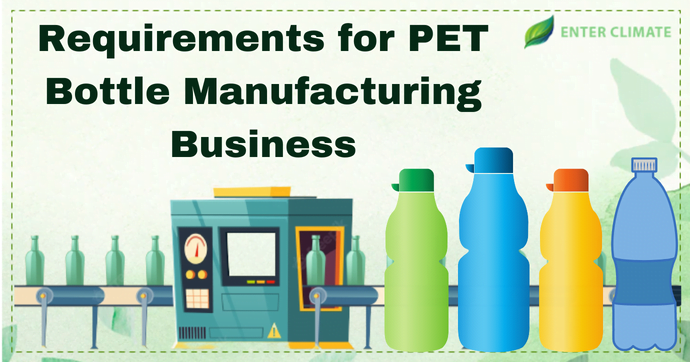
Polyethene terephthalate or PET is a kind of polyester or plastic that is used in many manufacturing businesses. PET bottle manufacturing business is one o...Read More