


Complete Overview of EP...
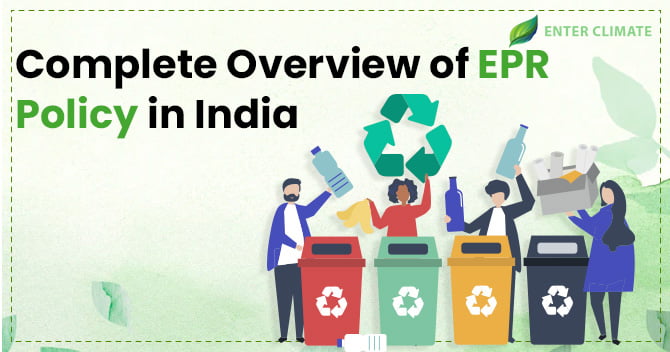
The E-Waste (Management and Handling) Rules, 2011, first introduced the concept of EPR. The Ministry of Environment, Forest and Climate Change (MoEF&CC) notified the EPR guidelines in the Fourth A....Read More

Steps Involved in Refur...
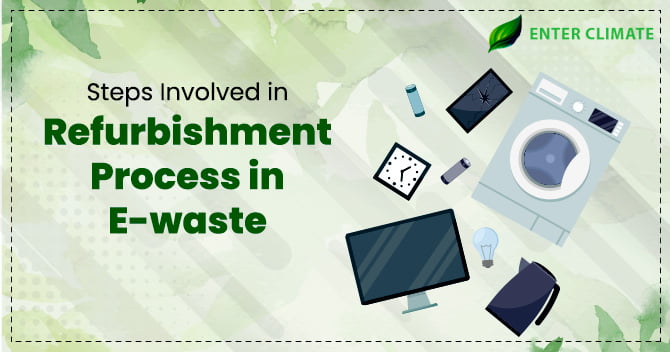
To understand the steps involved in the refurbishment process in the e-waste business, one must first have a clear idea of what refurbishment is. Refurbishment can involve one or all....Read More
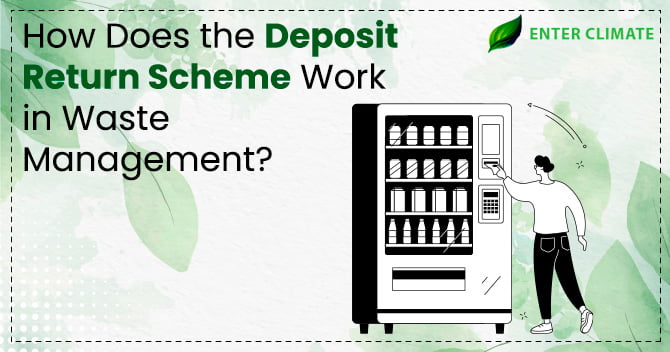
How Does the Deposit Re...
A Deposit Return Scheme or DRS is a system where customers are made to pay a refundable deposit of a small value along with the product’s price, which is repaid....Read More
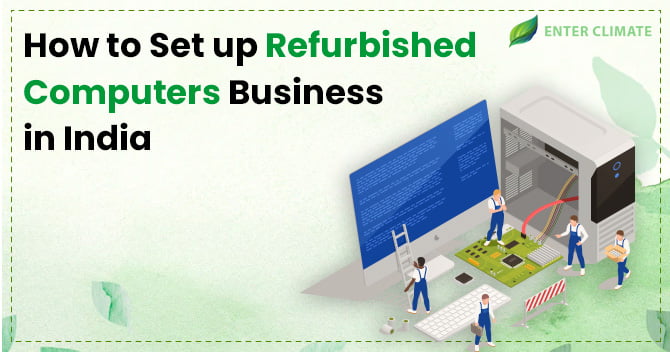
How to Set up Refurbish...
RefurbishingComputers is a profitable business that can be started with comparatively less hassle than other e-waste businesses. A refurbisher can buy old computers and laptops from bulk consumers(pub....Read More
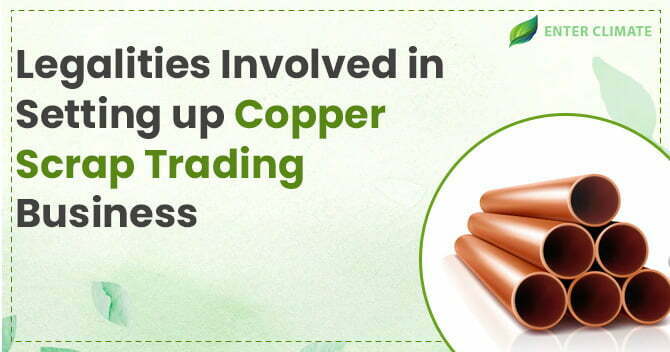
Legalities Involved in...
In India, the demand for copper is met through the domestic production of copper ore, copper concentrate and copper scraps. Copper scrap is collected from various sources like copper smelting....Read More
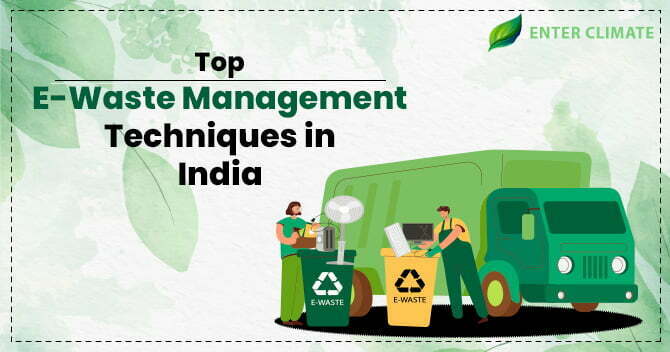
Top E-Waste Management...
E-waste comprises waste generated when end–of–life of Electronic and electrical equipment (EEE) is discarded by the user with no intent to reuse. By definition, E-Waste Management is the recycling....Read More
Authorisation Requireme...
E-Waste is one of the fastest-growing waste globally. Out of all the e-waste generated worldwide, only 17% of it is being recycled. In India, the recycling ratio is even less.....Read More
Key Post-Compliance Nee...
The E-waste Management Rules 2016 came into effect in October 2016 as a crucial tool to demarcate the individual responsibilities of manufacturer, producer, consumer, bulk consumer, collection centres....Read More
 Prev
Prev